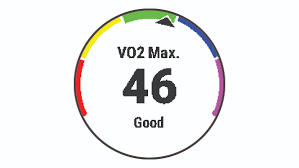
Since my ankle decided to put my running career on temporary hold (rude, honestly), I’ve been paying a bit more attention to the other numbers my fitness watch likes to throw at me. One that keeps popping up is VO₂ max — a term that sounds like something from a GCSE science exam rather than a helpful fitness metric.
So, in simple terms, what actually is it?
VO₂ max is a measure of how efficiently your body uses oxygen during exercise. When you move, your muscles need oxygen to produce energy. The better your body is at delivering and using that oxygen, the longer you can exercise without feeling like you’re about to lie down on the pavement and question your life choices.
In everyday language:
VO₂ max is a score for how good your body’s engine is.
Higher score? Generally better endurance.
Lower score? More room for improvement.
Either way, it’s just a helpful guide, not a judgment.
Most smart watches estimate it based on your heart rate and exercise pace. It’s not lab-perfect science, but it’s good enough to show trends — and to give you a little nudge when things are heading in the wrong direction.
But Here’s the Interesting Bit…
VO₂ max isn’t just about running faster or cycling further. Research has shown that it’s actually one of the strongest indicators of long-term health and longevity. In plain terms:
People with higher VO₂ max levels tend to live longer and stay healthier as they age.
That’s because a strong heart, healthy lungs, and efficient oxygen use don’t just help with sport — they reduce the risk of heart disease, diabetes, and a whole list of not-so-fun health issues later in life.
So when you improve your VO₂ max, you’re not just training for a 5k or chasing a better watch score. You’re investing in future-you — the version that still wants to travel, play with grandkids, or simply climb stairs without negotiating with their knees.
Back to Reality
For now, with my ankle still swollen, my VO₂ max improvements will be coming from swimming and gym sessions rather than running. Not quite as fun, but still feeding the engine.
Because if a slightly better fitness score today means a healthier, more capable body in the years ahead… I suppose it’s worth putting in the effort.
Even in January.
 Active
  lee-gartside